The Best Fluffy Pancakes recipe you will fall in love with. Full of tips and tricks to help you make the best pancakes.

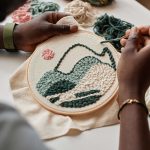
A textile habit starts with a sample, not a project. It starts with a sample that you can work on often enough to make it through a busy week. Many new practitioners wait until they have enough time to work on a whole sample and, in the process, they don’t practice as often as they could. It’s better to make a little progress with your textile work every day than it is to make a lot of progress once a week. Even 15 minutes of practice a day can help you refine your techniques, make fewer mistakes, and improve your skills. The samples in your textile habit should have a single purpose. You might use one sample to practice making straight selvedges.
You might use another to practice stitching consistently on scrap fabric. You might use a third sample to try out a new color combination. Having a single purpose makes your samples easier to work on because you know exactly what you’re trying to accomplish. It also makes them easier to evaluate because you know what you need to be looking for. Textile practice daily in short time increments can be more productive than working for an hour once a week. A 15-minute sample can be more useful than an hour-long sample because, in it, you have focused your efforts on a single task.
Here’s a suggestion for a 15-minute textile sample: Spend the opening minutes setting out only what is needed for one micro-task. Use the middle stretch to repeat the same motion or process enough times for a pattern to appear. Take the final minutes to check the result in plain language. Write down what worked and what didn’t. Think about what you’re going to do differently in your next sample. Don’t push yourself too hard to practice. If you only have time for a narrow sample, that’s okay. You can learn a lot from a narrow sample. Just make sure you’re not so narrow that your sample is unstable.
Don’t make the mistake of practicing only what already feels comfortable. Each week should include at least one short block aimed at a flaw that keeps returning. You should try to make at least one sample a week that challenges you to work on something that keeps returning as a flaw. If you find yourself getting off track with your samples, try going back to something simple. If you can’t seem to make a straight selvedge anymore, then try weaving a sample where you focus only on making a straight selvedge.
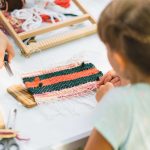
Don’t try to weave a full sample if you’re short on time. Just weave a little bit every day and your habit will quickly come back. As you continue to weave samples and evaluate them, you will find that your handwoven fabric will become more and more consistent. You will make fewer mistakes and you will waste less yarn. You will be more comfortable when confronted with a loom and some yarn. That is the goal of a textile habit, and it is worth the effort to get there.